
In 2025, ThirdSpace Action Lab anchored our practice in the fundamental truth that protecting community brilliance is not merely a moral imperative, but a non-negotiable metric of urban design and institutional accountability.
FOUNDER’S NOTE
DATA

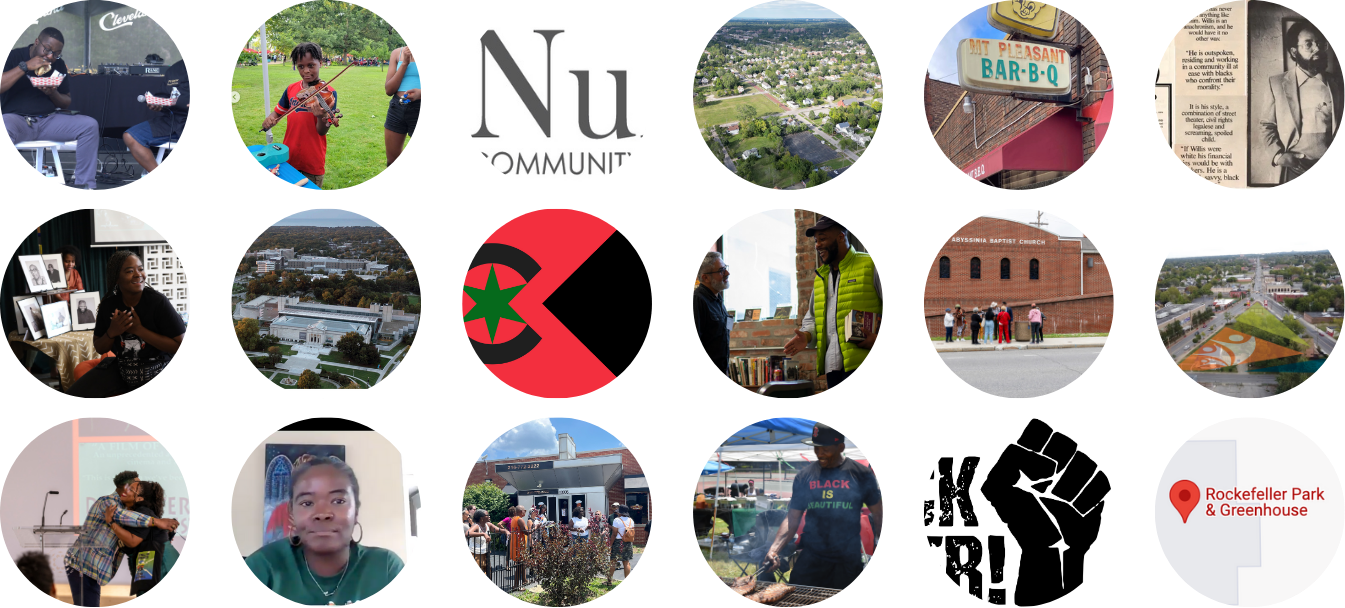
CONSULTING TEAM PROJECTS
The Cleveland Freedom Dreams Coalition (CFDC), powered by PERC, is where we move beyond protesting the system to actually redesigning it. We recognize that for our communities to thrive, we must move from a state of constant reaction to a position of proactive governance.
FREEDOM LECTURES
FUTURISM WORKSHOP
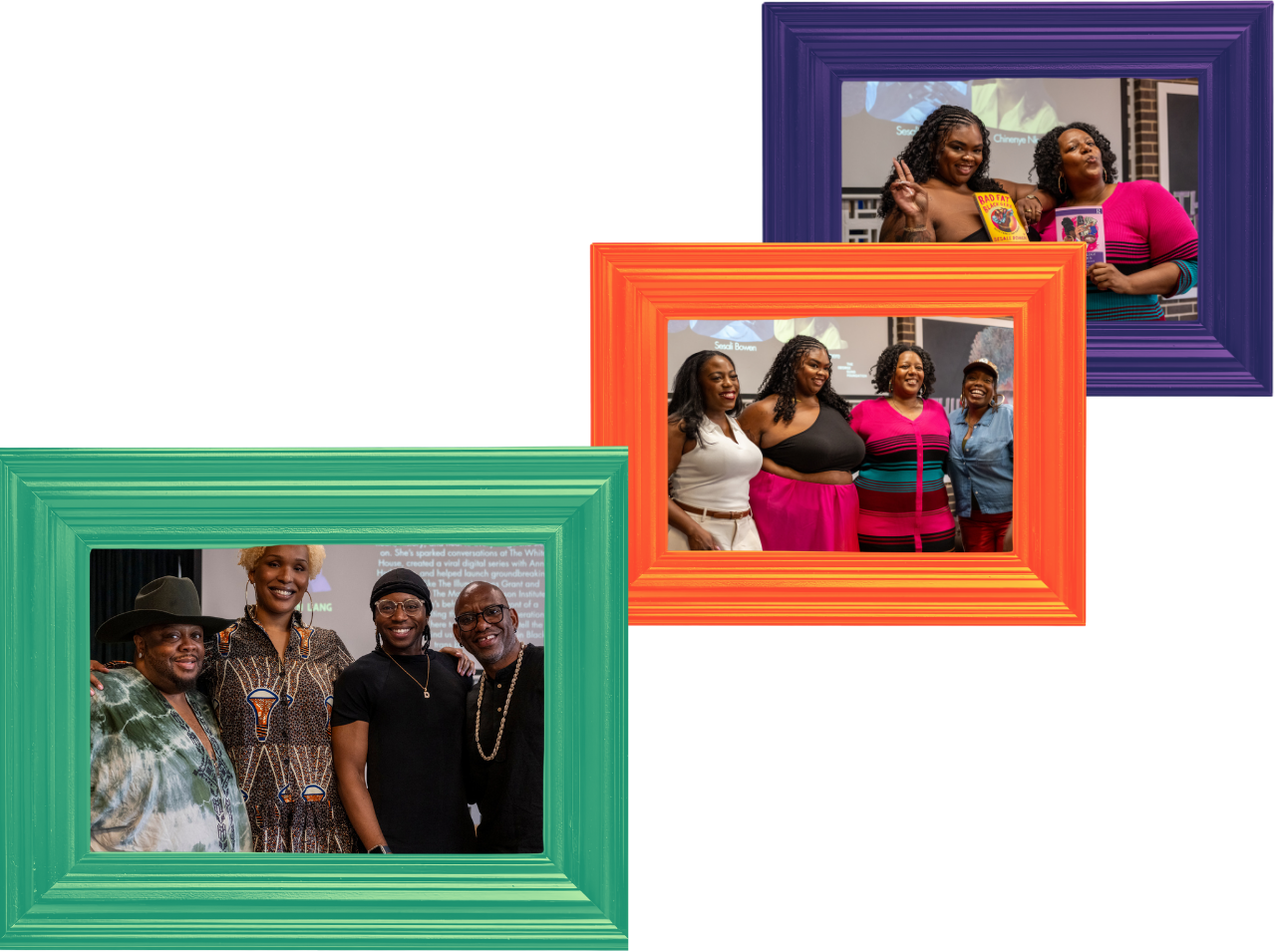
Freedom Lectures are more than public talks—they are community gatherings designed to bring people together in good spirit, shared curiosity, and deeper connection. Hosted in the Reading Room or with neighborhood partners, each event creates space for real conversation and collective reflection. Rooted in the power of community, the series introduces Cleveland to changemakers from across the country who are advancing Black-led work and reshaping cultural narratives. Guided by themes from The Peoples Practice and shaped by the visions of the Cleveland Freedom Dreams Coalition, Freedom Lectures invite us to learn together, dream together, and build a freer, Blacker future side by side.
Rooted in the conviction that community is our greatest asset, this series bridges the gap between the national and the local, introducing Cleveland to the vanguards of Black thought who are actively reshaping cultural narratives across the country. Guided by the theoretical framework of The People’s Practice and the radical aspirations of the Cleveland Freedom Dreams Coalition, the Freedom Lectures are an invitation to engage in the praxis of freedom—learning, dreaming, and building a Blacker, more liberated future in real time.
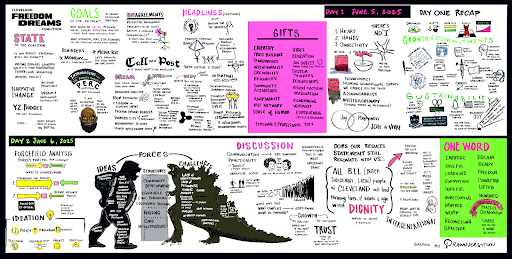
The Premise: Imagination as Infrastructure Convened within the sanctuary of the ThirdSpace Reading Room, this session moved beyond the abstract to position radical imagination as a rigorous social practice. Facilitated by the visionary Ifeoma Ike, we explored imagination not as a fleeting daydream, but as a critical discipline—a mindset that allows us to see the world not in its current brokenness, but in its potential wholeness.
The Unlearning The workshop challenged the coalition to dismantle the "scarcity mindset" that insists there is no alternative. We interrogated how colonized frameworks and the daily grind of systemic survival often act as a ceiling on our most expansive thinking. Ifeoma guided us through a practical pathway of "unlearning"—stripping away the limiting beliefs of the status quo to reveal a trajectory toward just and regenerative futures. We did the heavy lifting of naming what we deserve, rather than settling for what current systems allow.
From Crisis Response to Future-Making A core tenet of the session was the shift from reaction to creation. For too long, our movements have been forced into a posture of crisis response. This workshop provided the tools—spanning foresight, design justice, and community-rooted value creation—to pivot toward "future-making." By disrupting dominant cultural narratives and centering those most impacted by inequity as the primary architects of the new world, we make liberated futures conceivable.
The Result This was about translating insight into infrastructure. Coalition members engaged in deep reflection to surface the assumptions shaping their vision, redefining who gets to sit at the drawing board. We left equipped to be better designers of new systems—institutions guided not by profit or growth for growth’s sake, but by possibility, deep belonging, and collective liberation.
PEOPLE’S SOLUTIONS LAB
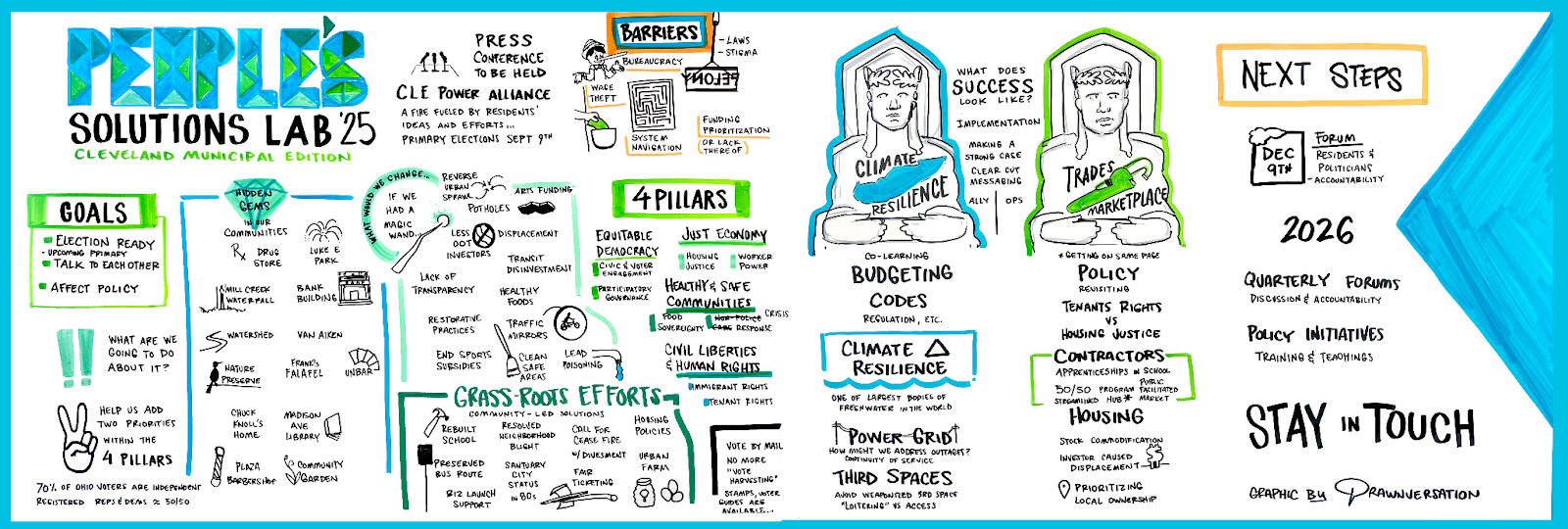
Led by the Cleveland Freedom Dreams Coalition, the People’s Solutions Lab mobilized over 50 residents to transmute lived experience into legislative power. We moved beyond simple engagement to co-create specific policy strategies, ensuring our community was not only #ElectionReady but equipped to define the agenda for the municipal elections. This initiative establishes a rigorous standard of accountability, affirming that the architects of our policy must be the people themselves.
Led by the Cleveland Freedom Dreams Coalition, the People’s Solutions Lab mobilized over 50 residents to transmute lived experience into legislative power. We moved beyond simple engagement to co-create specific policy strategies, ensuring our community was not only #ElectionReady but equipped to define the agenda for the municipal elections. This initiative establishes a rigorous standard of accountability, affirming that the architects of our policy must be the people themselves.
THE CLEVELAND PULSE
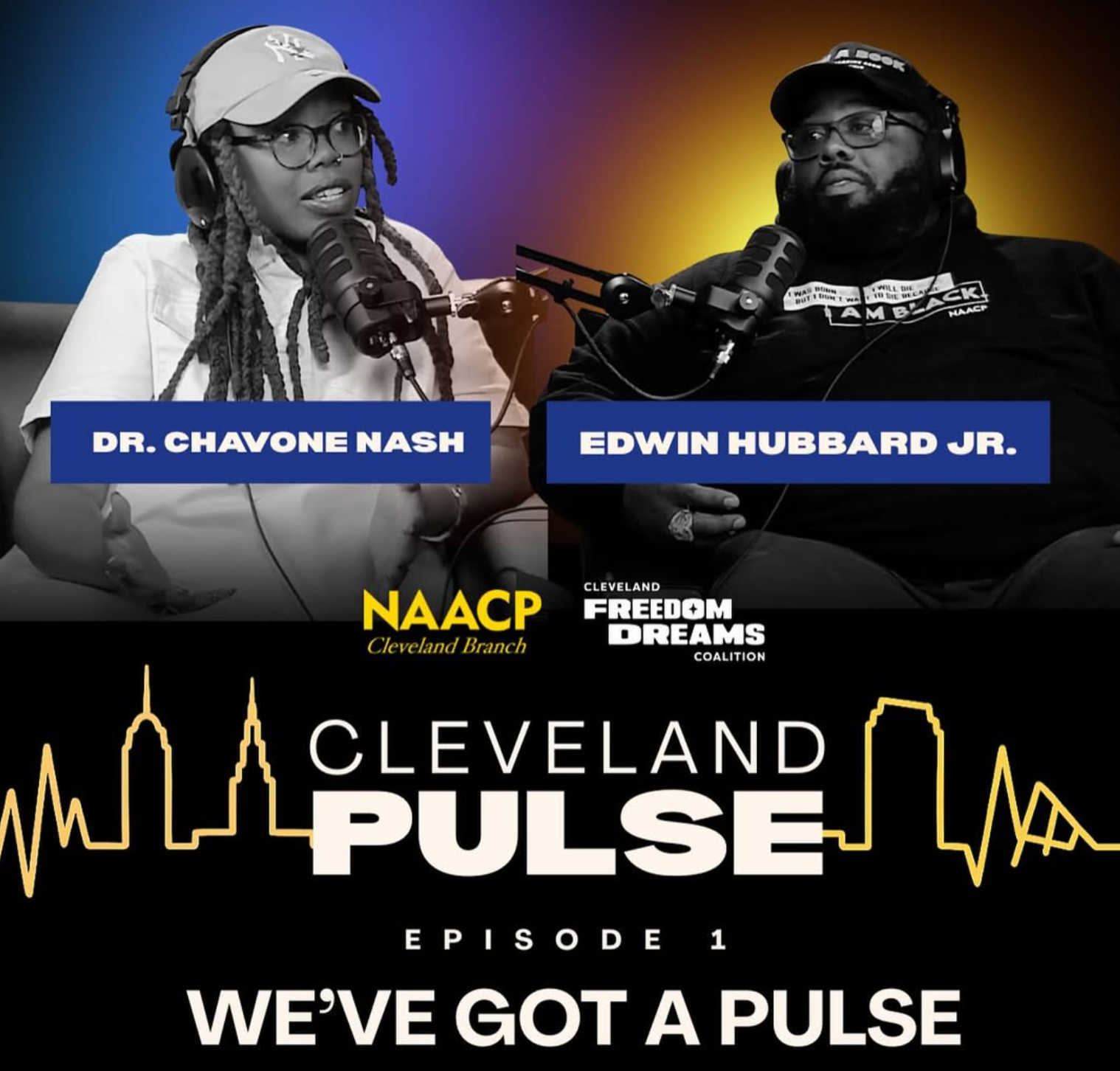
Through The Cleveland Pulse, we archived the brilliance of our local thinkers, ensuring that the evolution of our city’s movement is documented by the people actually living it.
TPP
In partnership with Case Western Reserve University, we sat down with Dr. Mark Joseph for a seven-part series. We discussed the "why" behind our work, from the bookstore to our ARCD consulting, embracing the transparency required for true social change.
Summer of Soul